As I write this, it is the day after the 2026 mid-term elections. I am not in a particularly good mood. On the surface, yesterday’s elections do not bode well for the freedoms of believers in our nation, for the welfare of the unborn, and a host of other issues of importance to believers. So I opened my Bible this morning to my regular reading.
Jeremiah 32 was the text that came up on my reading schedule.
This is a remarkable passage of scripture in which God commands Jeremiah to buy real estate. This was not investment advice; it was an investment command.
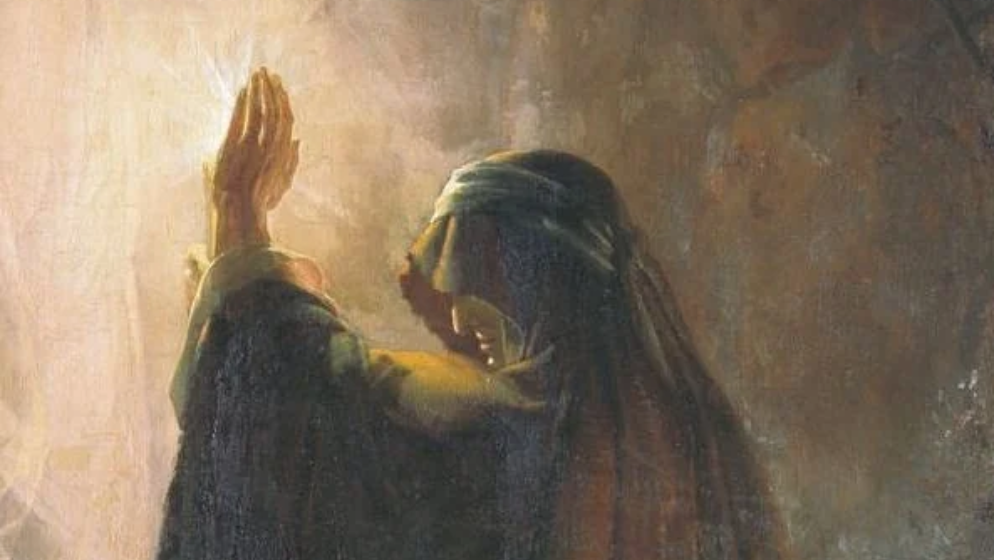
Jeremiah records the exact date of these events. It occurred somewhere between April 23 and October 17, 587 BC[i]. Jerusalem was under siege, the city would soon fall to the Babylonians, and Jeremiah was imprisoned within the city for prophesying that the city would fall to the enemy (Jeremiah 32:3-5).
God tells Jeremiah that his cousin will visit him in prison and ask him to buy a piece of property.
“Buy a property?! Now?!”
That would have been my reaction. Who buys property while in prison?
He did it to demonstrate hope, not for himself but for generations to come.
The property is in Anathoth, 2.5 to 3 miles from Jerusalem in an area that was at that time occupied by the Babylonians. The country was going to be overrun by the Babylonians so that no ancient land ownership would likely stand. It’s like buying stock in a company that is scheduled to go bankrupt next week.
Jeremiah was the rightful redeemer of the property. It was the responsibility of a near relative to buy property of those who were facing hard times so that the property would remain part of the family inheritance.
So, Jeremiah, in prison, under siege, in a doomed city, bought the property. He paid 17 shekels for it. This under 10 ounces of silver—a good deal in good times, but throwing money away by any estimation in these circumstances.
He paid the money, signed the deed with witnesses, and did everything legally required to take ownership of the land. Then he told Baruch to store it carefully in an earthen vessel to last many days.
Own the judgement at hand.
God does judge cities and nations—even Israel.
In verses Jeremiah 22:16-20 Jeremiah prays to God acknowledging that God had given the Fathers this land, but the people had sinned and now were coming under judgment for their sin.
You have given them this land, of which You swore to their fathers to give them—“a land flowing with milk and honey.” And they came in and took possession of it, but they have not obeyed Your voice or walked in Your law. They have done nothing of all that You commanded them to do; therefore, You have caused all this calamity to come upon them.
God’s people sometimes come under His divine judging Hand, especially when they are part of a wicked nation. The fact that God judges the wicked is evidence of His presence and divine power. Consider Jeremiah 22:24.
‘Look, the siege mounds! They have come to the city to take it; and the city has been given into the hand of the Chaldeans who fight against it, because of the sword and famine and pestilence. What You have spoken has happened; there You see it!
In Jeremiah 22:26-35 God clearly declares that Jerusalem will be overrun by the Babylonians. They will burn it. God will allow this because Judah worshiped other gods, the people were evil all their lives, they turned their backs to God, they refused to receive instruction, they committed abominations in the Temple, and they sacrificed their children to Molech.
God never completely abandons His people.
But the symbolism of Jeremiah buying the field is that there will still yet be a future for Israel. Though Jeremiah would never benefit from the purchase of the land, there will be future descents that will and this purchase is in anticipation of that day when God restores His people. God will send them to judgment, but He will also bring them back.
Behold, I will gather them out of all countries where I have driven them in My anger, in My fury, and in great wrath; I will bring them back to this place, and I will cause them to dwell safely. They shall be My people, and I will be their God (Jeremiah 22:37-38)
As unlikely as it may seem. He will bring them back. As hopeless as it may look. He will bring them back and bless them.
When I think of my own country and state, I cannot claim this promise for us. Our nation has been wonderfully and providentially blessed by God. He has used our country to accomplish much good in the world—especially as the springboard for the modern missionary movement. But the promises to Israel do not directly apply to the United States of America, or for any other nation except Israel.
What we can rest on is the fact that He is perfectly able and willing to restore nations that repent—He did it with Nineveh, and He knows how to protect His people in times of judgment (2 Peter 2:9). And he will ultimately rule and reign on this earth. We know how all this will end and we will trust Him for grace not only to endure but to be victorious until then (Romans 8:37).
_________________________________________________________
[i] Bible Knowledge Commentary.
Discover more from Proclaim & Defend
Subscribe to get the latest posts sent to your email.