
The opening of C.S. Lewis’s Peralandra begins by describing a man walking through the woods to see a friend. It’s a long, almost painful description of him slowly moving through the woods and feeling an almost irrational dread. His mind begins racing with all kinds of strange fears and at several points he almost turns back. Eventually he pushes through and makes it to his friend’s house. His friend is glad to see him, and informs him that he knew the journey would be tough because there would be spiritual opposition. The fear, dread, doubts, questions, all of it was unseen forces trying to keep him back.
Although fictional, I found that story to be a particularly powerful description of what I’ve at times experienced. Sometimes I find that opposition to serving God comes in ways that I don’t expect and have a hard time explaining. Sometimes I find myself feeling discouraged or disinterested before a big event. Sometimes a flight gets cancelled or an unexpected problem arises. Sometimes important plans fall through at the last minute. I have learned to view this as what I think it really is: spiritual warfare.
Have you ever felt like doing the right thing was unusually hard? Have you ever set out to serve God or to make a positive change in your life, when suddenly it seems as if everything started going wrong? The Bible says that we wrestle against the forces of darkness (Ephesians 6:12), but often we don’t take that seriously. Many Christians claim to believe in a supernatural world, but don’t ever think they are facing off against spiritual foes.
Fortunately, Paul gives us an example and some instruction on this regard. In 1 Thessalonians he talked about a time Satan hindered him and his crew, and he describes how he responded. I think his response can be helpful to us.
“But Satan hindered us”
On his second missionary journey, Paul received a vision to go to Macedonia, located in north Greece. He showed up and started planting churches, but everywhere he went he got chased out of town. In Thessalonica in particular, Paul planted a church that seemed to be doing well but he left far sooner than he intended. He would later write a letter to this church, and in that letter we get Paul’s perspective on his departure:
But as for us, brothers and sisters, after we were forced to leave you for a short time (in person, not in heart), we greatly desired and made every effort to return and see you face to face. So we wanted to come to you—even I, Paul, time and again—but Satan hindered us. (1 Thessalonians 2:17-18)
What is interesting about this is that we don’t really know how Satan hindered them. It might have been the hostility of the area that kicked them out in the first place. It might have been trouble getting transportation. It might have been sickness, or a host of other problems. All we know is that somehow, Satan had kept Paul and his companions from getting to where they so desperately wanted to go. So how did Paul respond?
“We Were Willing to Be Left Alone”
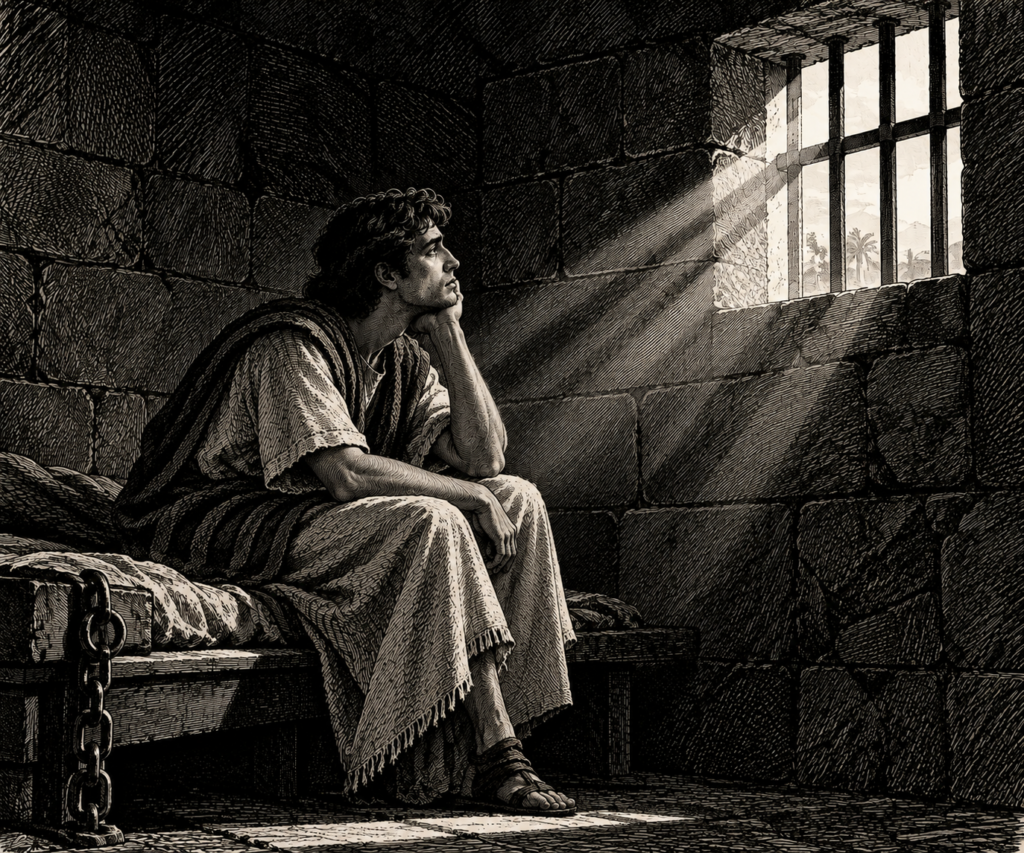
Paul’s solution to the problem comes at the beginning of chapter 3. After trying to all head back as a team, Paul and crew eventually switched their tactics up.
Therefore, when we could no longer stand it, we thought it was better to be left alone in Athens. And we sent Timothy, our brother and God’s coworker in the gospel of Christ, to strengthen and encourage you concerning your faith, so that no one will be shaken by these afflictions. For you yourselves know that we are appointed to this. In fact, when we were with you, we told you in advance that we were going to experience affliction, and as you know, it happened. For this reason, when I could no longer stand it, I also sent him to find out about your faith, fearing that the tempter had tempted you and that our labor might be for nothing. (1 Thessalonians 3:1-5)
Eventually it was decided that it would be better for Timothy to go alone and see how things were, since for whatever reason the whole group couldn’t go. You get the sense that this was not Paul’s ideal, but it was better than nothing. Paul’s solution to satanic opposition was to not quit and to just keep pushing. His solution was to make sacrifices if that’s what it took to get ministry done.
Sometimes spiritual warfare means simply pushing through. It means doing what you don’t feel like doing or what you even find yourself irrationally dreading. Sometimes it means you keep trying when it seems like things just won’t work. If you find that things get tough when you start trying to do right, don’t get discouraged. Realize that might actually be a sign you are on the right track, and don’t quit. Follow the example of Paul and keep pushing. Of course, we realize that only God can truly give us the victory. But the Holy Spirit often uses tenacious Christians who know what He wants and are willing to keep pushing to accomplish His will. People like Paul, who says “we were willing to be left alone.”
Discover more from Proclaim & Defend
Subscribe to get the latest posts sent to your email.