My father entered heaven in January of 2021. For our family, it was a traumatic experience.
The Covid-19 virus spread through our church rapidly in December of 2020. We had to cancel services because there were no pastoral staff members healthy enough to lead. My father contracted the disease in that wave. He fought it off for several weeks at home before his low blood oxygen level demanded he go to the hospital. But even in the hospital, he did not improve.
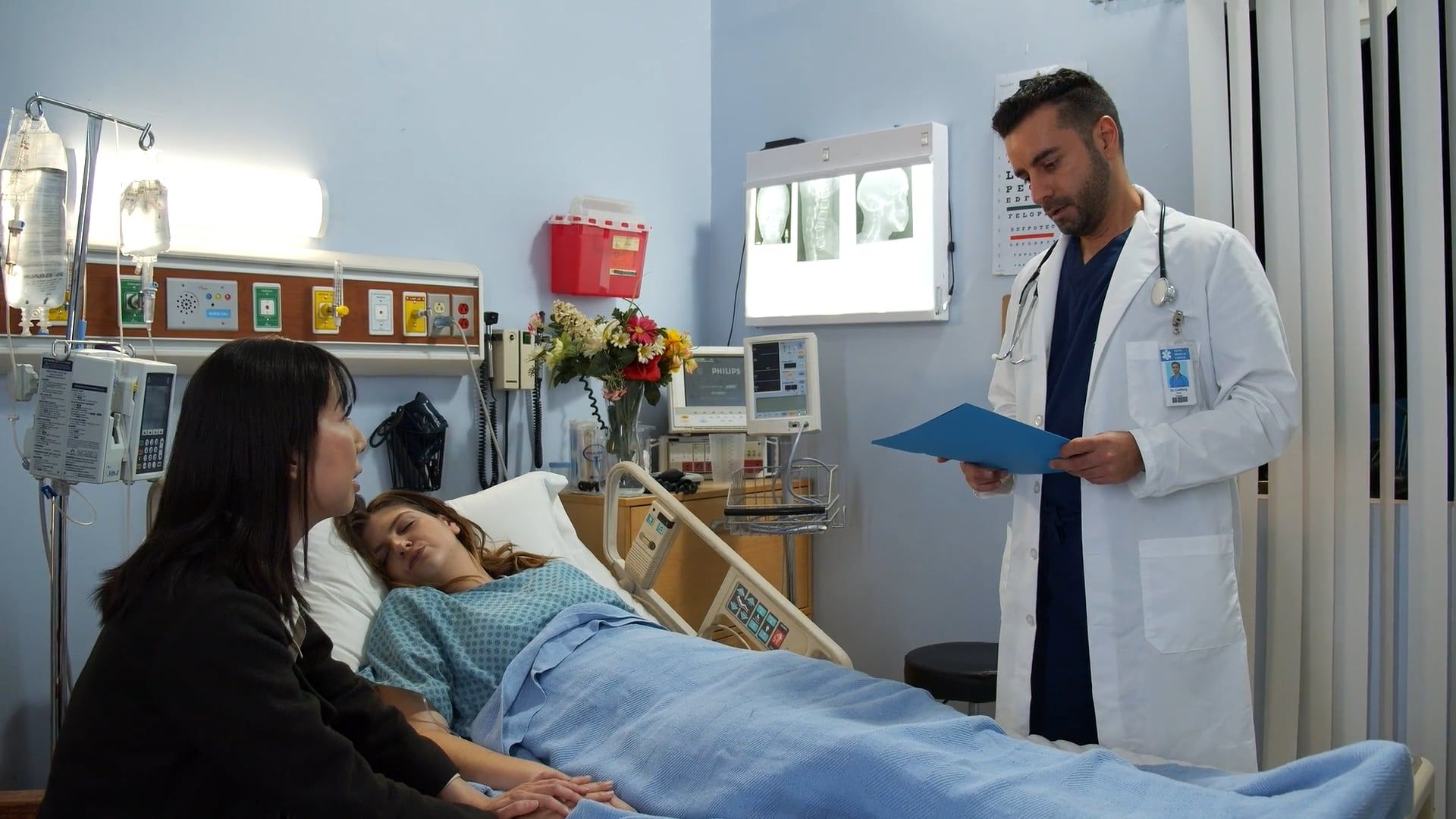
No one in our family was allowed to visit him there. Once he was moved to the ICU, even my daughter, a nurse in that same hospital, was refused access to him. We communicated regularly with doctors and nurses and with him. He was intubated for several weeks, and then eventually weaned off the machine. Even off the ventilator, he still needed a pressurized mask to breathe.
Dad had a hard time in the hospital separated from family. He was struggling for every breath, and he was alone. On the day he died, we were FaceTiming him, and we listened to a doctor and nurse pressure him to remove his mask and die. I confronted them both by video and demanded that they stop trying to convince him to give up and die. They kept saying things like, “You might get better, but your health will never be the same.” They said they were just trying to be honest with him, but in the desperation of that moment, that was not honesty; it was pressure to give up. Eventually he asked for the mask to be removed, and with his hand he signed “I love you” to our family, before he breathed his last.
This event was traumatic for our family, especially for me. I know we are not alone. End-of-life experiences can put families in very difficult situations. They receive advice from medical professionals that can often be more harmful than helpful. I cannot give all the answers for the questions families have in such situations, but I do think there is some biblical wisdom that applies. Here are some things to remember.
Medical professionals do not always share your values.
Do not let them dictate your choices.
1 Corinthians 6:19 says,
Or do you not know that your body is the temple of the Holy Spirit who is in you, whom you have from God, and you are not your own? For you were bought at a price; therefore glorify God in your body and in your spirit, which are God’s.
Believers know that life belongs to God and it is not in the hands of human beings to decide who lives or dies, what life is worth living and what is not, what makes sense financially and more. Those decisions are God’s and God’s alone. They do not belong to medical professionals, or even family members.
Sometimes, in our healthy years, we look at someone in difficult health situations and declare, “I never want to live like that!”
That might be true, but that is God’s choice, not ours. Taking our own lives is not our option. That is why suicide is considered a sin. Now, I am not talking about using unusual means to keep a body breathing that is otherwise deceased. And there is a place for a person to consciously refuse certain medical procedures. But to deny normal life-sustaining attention is another matter. Consider the preciousness of life and the One who owns it in these moments.
In my father’s case, I know that others who were in worse condition than he was, have come back to live many more years. Perhaps he would have died anyway. We do not know. We will now never know. We have had to leave this whole matter in God’s hands.
Do what you will one day wish you had done.
Two extremes happen in the minds of traumatized relatives in such situations. Some do not want to let go and will cling desperately to anything, regardless of how far-fetched, to avoid facing the reality of the loss of a loved one.
The other extreme is the family that is so traumatized that they almost immediately lose hope and just want the discomfort of the moment to end. It is easier emotionally to start to move on rather than remain in health crisis limbo. I have seen families in both situations.
Just giving it a little time tends to remedy the situation. One family I knew just waited, and within a short period of time, their family member died on their own. At least then, they knew this was God’s hand and not theirs. In another situation, the defeated family began to make funeral plans only to see their son and husband recover and live more precious years.
The best practice in such a situation is to make the decision that you will one day wish you had made. Take your time. Pray together about it. Get pastoral counsel. Do not let medical personnel or insurance companies push you.
This also applies when you get competing advice. I have seen medical personnel disagree with one another. A nurse or doctor begs the family NOT to follow the advice of another professional. This situation can be traumatic for the families who feel caught in the middle. Get another opinion. Step back and pray through it. That type of moment is not the time for hasty decisions.
As David faced deadly persecution, he said,
My times are in your hand; deliver me from the hand of my enemies. (Psalm 31:15)
With my father, the choice was removed from us, though we would give anything to have been by his side and love him and encourage him through that valley. We now leave that situation with the God of the universe who loves us and acts justly.
What about when death seems like a gift?
There have been so many wonderful saints I have known over the years who fondly looked forward to heaven. Their friends are there. The pain is great. Memories are slipping away. This is the blessed hope of the believer. Paul looked toward heaven in the same way.
For I am hard-pressed between the two, having a desire to depart and be with Christ, which is far better. Nevertheless, to remain in the flesh is more needful for you. (Philippians 1:23-25)
Life gets to the point where heaven is better for me, but staying here is better for others. And we stay, as a sacrifice, for those that we love.
There is nothing wrong with longing for heaven. After all, it is our home. And there is nothing wrong with longing for heaven for those that we love and see suffering. Especially with the various forms of dementia, people lose their lives a long time before their hearts stop beating. Praying for God to take them quickly or soon can be a prayer for mercy. No Christian should feel guilty for praying it.
–as long as we remember that how He answers it is His prerogative.
Audio version of this post: End of Life Decisions and the Christian Family
Discover more from Proclaim & Defend
Subscribe to get the latest posts sent to your email.