
Yesterday I was in the room with one of our long-time church members as he took his last breath. All the family members were gathered around. They wept and prayed.
Mike had struggled with multiple ailments for many years despite his relatively young age. During a routine medical treatment on Monday morning, his heart stopped beating. Medical personnel were able to get his heart going, but it was going to take some time before doctors would be able to ascertain the physical and neurological damage caused by the event. Then the second event occurred and led to his passing within a short time.
The atmosphere in the hall with his wife, son, sister, mother and all the extended family was remarkable. There was sorrow, but not despair, surprise but not shock. This family was prepared for this moment.
It was not the case a year ago.
Mike had a near-death experience a year ago. He spent eight days in the ICU and several months in rehabilitation. The family had a much greater struggle during that time. They were not as ready then as they are now.
As he recovered during the last year he recognized how unprepared his family was for his death, which, unless the Lord worked a miracle, would occur sometime in the not-to-distant future. So, on his own initiative and at the nudging of his godly sister, he had conversations with his family. He talked with them about his own death. He told them about his confidence in his God and his eternal salvation. He told them he was looking forward to heaven. He talked about the questions he wanted to ask Peter and his longing to see his father Jim, who preceded him in death many years ago. Just days before his passing Mike and his dear wife had a four hour conversation on the subject.
Mike prepared his family for yesterday in a way that I, as a pastor could never do.
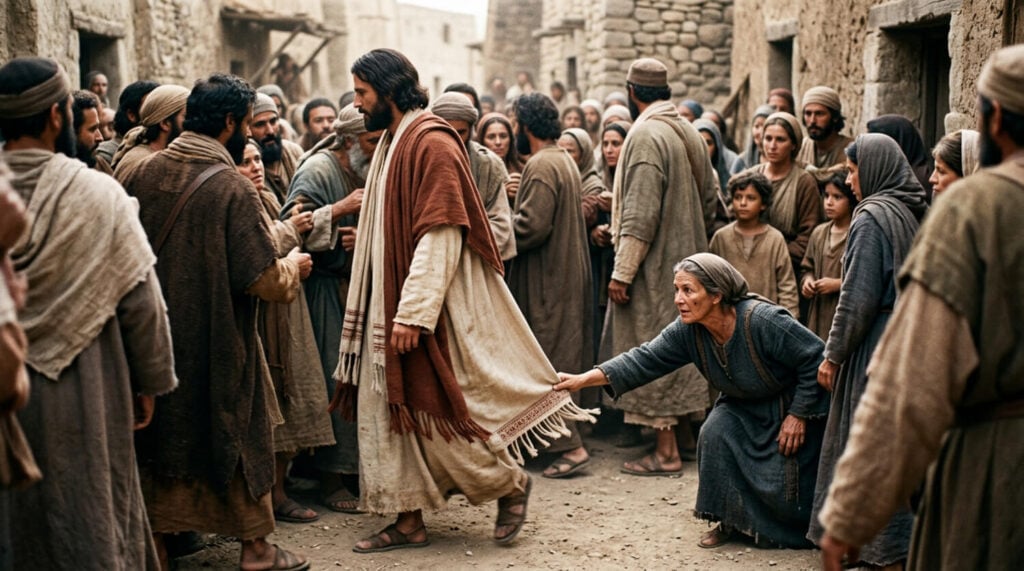
Jesus spoke about His impending death with His loved ones beforehand.
Can I encourage you to talk to your family about this very uncomfortable topic? Jesus talked about His death beforehand with His disciples (Matthew 16:21), and Peter reacted like many family members do when the topic comes up. “Don’t say that. You are going to live forever. Don’t talk about such things.” Jesus’ response was a very stern rebuke. Such as conversation was important for the Kingdom and the preparation of the disciples for what would come.
Paul also spoke about his death on multiple occasions.
In Philippians 1:20-21, he talked longingly about what it would mean to him to be with Christ, but he also knew that he would remain for now for the sake of the believers. But when the end finally came, Paul told Timothy that he was ready and how much he eagerly anticipated what was to come (2 Timothy 4:6-8).
I can imagine Timothy opening that letter to read those words, likely after he had heard the news that Paul had already been martyred. What comfort it must have been to know that Paul was not in fear or anguish, but was content that his battle was finished and he was on his way to meet his Lord.
As the day darkens, fear creeps in, even to the minds of faithful believers. The discussion about dying is uncomfortable. It is difficult. Sometimes you don’t want to talk about it because you do not want to think about your own passing. At other times, family members want to shut down the conversation because they do not want to think about it.
Death is inevitable for all of us unless Jesus returns. Even young people should have candid conversations about this.
The news recently has been filled with stories about Charlie Kirk from every possible perspective. I saw one short clip where an interviewer asked Kirk how he wanted to be remembered. If I had seen that clip a week ago, I would have thought it strange. Why ask a 31-year-old (or younger, I am not sure the timing of the interview), an “old man’s question.”
Now, hundreds of thousands of people are thankful to hear Charile Kirk, on tape, give the answer. It is like he is encouraging and comforting from the dead.
What do we need to say?
I love you.
You might have said it thousands of times, but there is always room for one more. Your family needs to know the place they occupy in your heart.
I know death is coming and I am ready.
It may be soon, or it may be many years away but I am not fearful of it. Sometimes we fear dying but that is different from fearing death. Fearing dying is the discomfort, pain, and trouble that is often associated with the process. But whatever happens in that process it is not worthy to be compared with the glory and joy which will follow (Romans 8:18).
This is how I came to know Christ.
It is not only comforting to family to know that you have confidence in your eternal destiny, but tell them story of why you have that confidence.
My grandpa Schaal died sitting in a chair next to me. I was the only one of 48 first cousins who was with him when he died. I was ten years old. It was traumatic for me. I refused to go to the viewing. But one of the things that really helped me later was a written testimony from Russell Schaal describing how he came to know Christ as his Savior. He did so on the farm, by himself, as an adult, and his life that followed showed clear evidence of his Christian walk.
This is what is most important to me in life?
Do not leave this to chance. Have you ever told your loved ones what is most important to you in your life? What would they say if they had to guess from your life choices? Even if they know your life choices, do they know why you made the ones you did?
Not long before he died, my father and I sat quietly together in the evening on a hunting trip. He told me that he had very much wanted to go into ministry when he was a young man, but he believe that God was clearly forbidding him to do so. He became an engineer and was deeply involved in church ministry all his life. He did say that he asked God that if he could not preach, would he give him a son that would do so?
I was 58 years old when he told me that. He had never, ever mentioned it before. My dad always encouraged me in whatever direction I believe God had for me in life, but I never felt one bit of pushing for ministry. It is a conversation that I will treasure the rest of my life. It is worth more to me than any material possession that could be passed from one generation to the next.
This is how I want to be remembered?
Do not leave this one to chance either. Every pastor I know has been in some very uncomfortable memorial services. Family members want to say things, but they are not sure what to say. So they often remember the silliest, or even out-of-character incidents to bring up. Knowing how you want to be remembered helps to guide them even helps them to form and finalize their memories of you.
Paul gave Timothy such guidance. He wanted to be remembered as one who fought a good fight, who finished well, who kept the faith. How would our thinking about Paul’s death be different today if he had not written those words for us?
This conversation is probably more uncomfortable for your family than for you but do it anyway. Have several conversations. Write it down. Make sure they know. Help the ones you leave behind.
The Audio version of this post is here: Talking to Your Family about Your Coming Death
Discover more from Proclaim & Defend
Subscribe to get the latest posts sent to your email.