
Christian colleges face a growing danger from the tsunami-like changes in Western countries. The danger comes from the moral changes in the wider public and from the personal problems students now bring with them to college. Let me give some examples.
An Evangelical Christian college near where I live has almost 2,000 students. 60% of these students take medication for depression. Many are angry with their parents because their parents did not limit their exposure to technology such as cell phones when they were growing up and now these students have serious addiction problems with their phones. The daily focus of many students, men and women, is watching pornography. This college is required to submit to admissions quotas and non-discrimination practices or face loss of accreditation and government funding. The college admits anyone as long as that student makes some profession of faith in Jesus Christ, even if obviously superficial. As a result, they have bisexual and transgendered students living in the dorms. They also have students coming from large cities who wish to play intercollegiate sports but who are not good enough for larger, secular schools. Consequently, these students make a profession of faith in Christ and get to play intercollegiate sports, bringing with them all kinds of personal problems and un-Christlike attitudes and behavior. If the school attempts to deal with some of these students about their sexual problems and other behavior, the students threaten discrimination and effectively shut down weak college officials who are afraid of the publicity and loss of income.
Trinity Western University, a Christian college in Canada wanted to start a law school but had policies prohibiting sexual relationships outside of marriage. This past summer, the Supreme Court of Canada ruled 7-2 that the decision by the Law Society of Upper Canada to deny accreditation to TWU’s proposed law school was valid. As a result, the college considered making its policy “optional” and students would not have to agree with the policy. Eventually the college discontinued the student covenant policy completely while maintaining they had not changed their beliefs.
I could mention many more examples like these. Faced with shrinking enrollment and finances, Christian colleges face the stark reality of deciding how much they are willing to change in order to continue their ministries. The fundamental question is “Where is the line which we cannot cross in order to stay open?” Of course, most Christian colleges state that they would never compromise fundamental Biblical teaching and principles. However, the deceptive danger is that these types of questions and issues do not arise quickly or clearly. They come incrementally, producing little changes over time. The cumulative effect of many years is a Christian college fundamentally different, more reflecting the culture than the Bible. By that point, those in leadership are often themselves affected by the culture and do not see a problem since they long ago accepted many changes. In addition, big financial donors seem to have more influence than those whose views are more Biblical but who aren’t as rich.
The Bible strongly warns us about the danger of pride. God hates pride (Proverbs 8:13), pride produces shame (Proverbs 11:2) and fighting (Proverbs 13:10), and pride precedes destruction (Proverbs 16:18). King Nebuchadnezzar learned the dangers of pride (Daniel 4:37). Pride is a problem of the human heart (Mark 7:22), and one of three characteristics of “in the world” and “of the world” (1 John 2:16).
Why do I mention pride? Because I suspect that behind some of the changes we see in Christian colleges in the effort to attract students and to keep their ministries viable is the problem of pride. Failure, even if it’s not our fault, is embarrassing. Therefore we engage in a multitude of activities and changes in order not to fail, in order to keep the college ministry and church ministry open. Changes may be superficial at first. Then when we find out that those changes are not enough and that we must make more changes or face declining enrollment and smaller faculty and staff, the pressure to make significant changes increases. We don’t want to be the one in charge when the ministry “failed”. Instead, we rationalize and justify changes in order to have some type of ministry. Since the wider culture is changing quickly and Christian college students (and their parents) are accepting many of those changes, Christian college change along with them. You end up with Christian colleges accepting students who are bisexual, transgendered, homosexual, tolerant of alcoholic beverages, very casual in their clothing and music standards, and addicted to their cell phones.
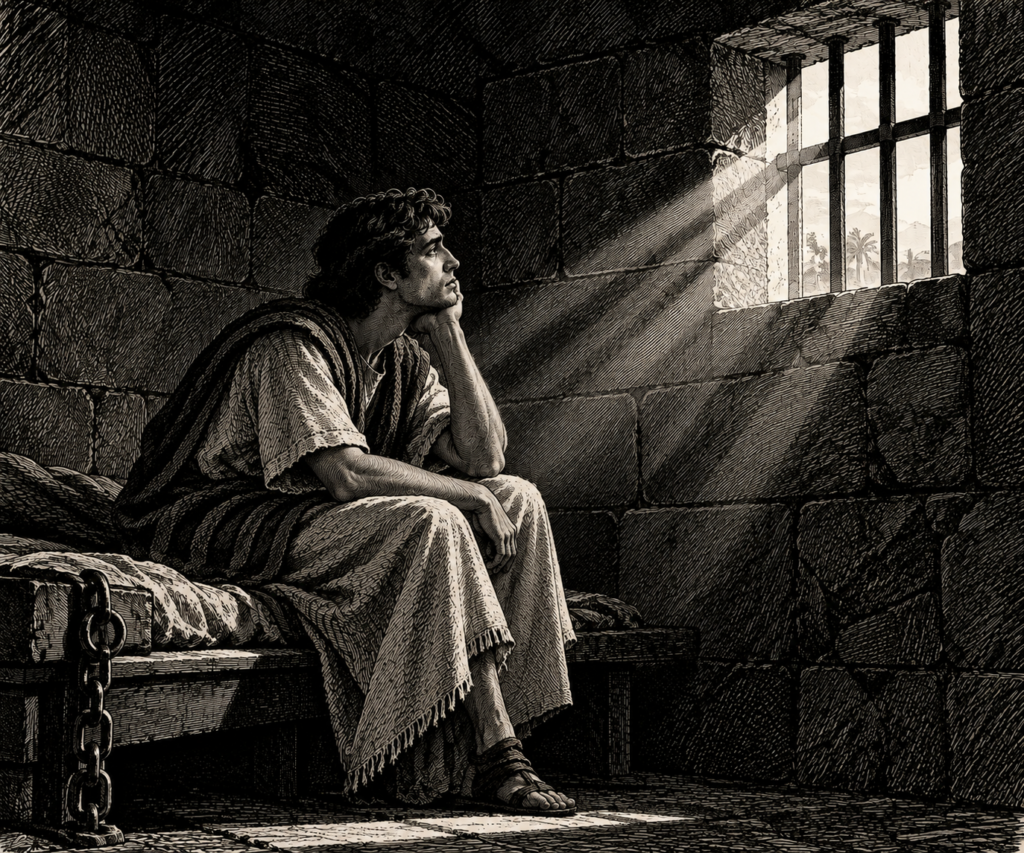
John Jay, in Federalist Paper #3 (Nov. 3, 1787), wrote “The pride of states, as well as of men, naturally disposes them to justify all their actions, and opposes their acknowledging, correcting, or repairing their errors and offenses.” Pride is deceptive. We don’t think our problem is pride. We think we are genuinely helping people when actually we are only helping ourselves feel better about what we are doing. It’s not about the students or the ministry; it’s about ourselves. Biblical principle will involve some degree of non-participation in certain aspects of one’s culture. Following Biblical principle is costly. Just ask David when he was avoiding King Saul’s attempts to kill him. The years of avoiding Saul cost David and his men (and their families) a high price. David had at least two opportunities to kill Saul but refused because he would not violate the Biblical principle of attacking the Lord’s anointed. The price David and others paid for dong that was very high. Pride will find a way to rationalize changes in order to avoid the cost.
The growing danger for Christian colleges (and other Christian ministries) is that we are slowly moving toward a decision point about what we are willing to do in order to keep the ministry functioning. Accreditation, acceptance of government money, changing cultural practices about clothing, music, alcohol, entertainment, and many other issues are testing the Biblical convictions of Christian ministries. Do we have the wisdom to see the danger and the wisdom to respond according to Biblical principle? How do we know those who follow us will respond Biblically? Are we able to see the future consequences of decisions we make today? Are the small, incremental changes we make today creating the foundation for significant mistakes in the future? Are we willing to swallow pride and close a ministry rather than accept changes that damage Biblical faithfulness?
Wally Morris is pastor of Charity Baptist Church in Huntington, IN. The church blogsite is amomentofcharity.blogspot.com. He has also published A Time To Die: A Biblical Look At End-Of-Life Issues by Ambassador International.
Photo by Vasily Koloda on Unsplash
Discover more from Proclaim & Defend
Subscribe to get the latest posts sent to your email.